

Whether you rolled your ankle during a morning run or felt a sudden sharp pull in your knee during a match, soft tissue injuries are among the most common physical injuries affecting people of all ages and activity levels. They can range from a mild muscle pull that resolves in a few days to a severe ligament tear that requires months of rehabilitation. This guide has been developed with physiotherapy practice insights and clinical knowledge to give you a thorough, honest, and practical understanding of soft tissue damage from the moment of injury all the way through to full recovery. Whether your concern is a general strain or a specific soft tissue injury knee condition, you will find clear, evidence informed answers here.
What is a Soft Tissue Injury?
A soft tissue injury refers to damage affecting the muscles, tendons, ligaments, fascia, nerves, blood vessels, and skin essentially every structure in the body that is not bone or cartilage. These injuries occur when the tissue is subjected to force, stretch, or repeated stress beyond its normal tolerance, resulting in micro tears, full tears, or bruising at a cellular level.
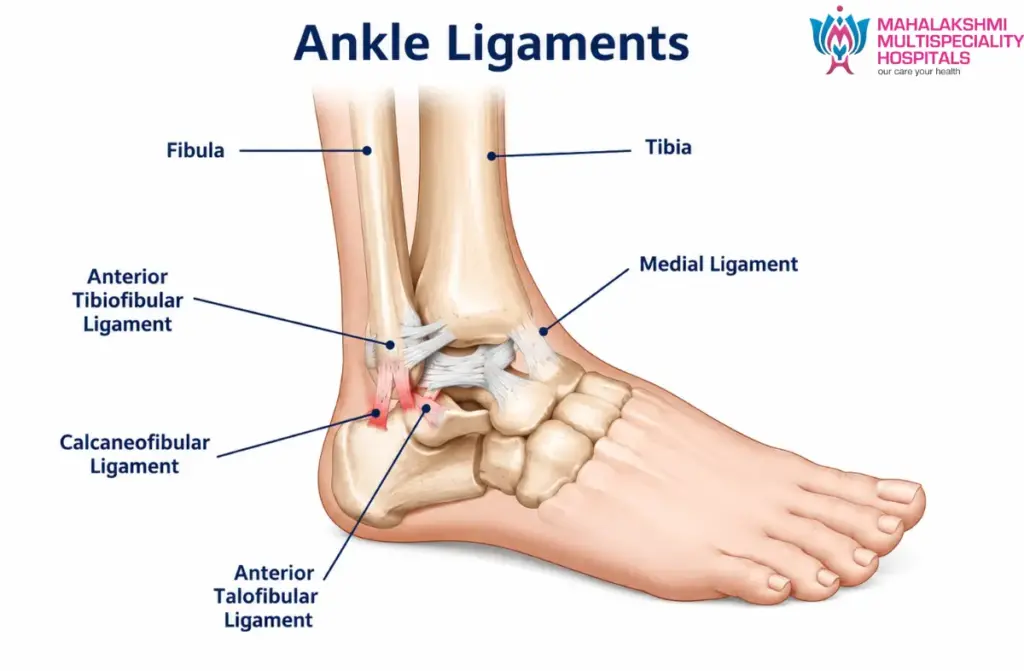
Types of Soft Tissues (Muscles, Tendons, Ligaments)
The three primary structures involved in most soft tissue injuries are muscles (which generate movement and absorb force), tendons (which connect muscles to bones), and ligaments (which connect bone to bone and stabilise joints). Each type heals at a different rate and requires a different treatment approach. Ligaments, for example, have a poorer blood supply than muscles, which is why ligament injuries such as knee sprains often take significantly longer to heal.
Why These Injuries are Common
Soft tissue injuries are extraordinarily common because these structures are involved in virtually every movement we make. Daily activities, workplace tasks, sports, and even poor sleeping posture can place excessive demand on muscles, tendons, and ligaments. Soft tissue damage accounts for a large proportion of all emergency department visits and physiotherapy referrals globally, and the knee is one of the most frequently affected areas.
Types of Soft Tissue Injuries
- Sprains (Ligament Injuries): A sprain occurs when a ligament is stretched or torn, most commonly as a result of sudden twisting or impact. The ankle and knee are the most frequently sprained joints. Sprains are graded from mild (Grade 1 overstretching) to severe (Grade 3 complete rupture) and always involve some degree of joint instability, swelling, and pain.
- Strains (Muscle or Tendon Injuries): A strain is damage to a muscle or tendon caused by overstretching or sudden contraction. Hamstring strains, calf strains, and quadriceps tears are classic examples. Soft tissue damage of this kind is particularly common in athletes and people who return to physical activity after a period of inactivity.
- Contusions (Bruises): A contusion results from a direct blow to the body, which crushes the underlying muscle fibres without breaking the skin. This causes internal bleeding, visible bruising, and localised pain and tenderness. Contusions to the thigh (quadriceps contusion) are especially common in contact sports.
- Tendinitis and Bursitis: Tendinitis is inflammation of a tendon, typically from repetitive use, while bursitis is inflammation of the small fluid filled sacs (bursae) that cushion joints. Both conditions are classic forms of soft tissue damage associated with overuse. The knee is particularly susceptible to both conditions, especially in runners, cyclists, and people with physically demanding jobs.
Causes of Soft Tissue Injuries
- Sudden Trauma or Impact: Acute soft tissue injuries often result from falls, collisions, sudden changes of direction, or direct impacts. A tackle during football, a trip on uneven ground, or an accidental fall can all transmit enough force to tear or crush soft tissue in an instant.
- Overuse and Repetitive Strain: Not all soft tissue damage happens in a single dramatic moment. Overuse injuries develop gradually as repetitive loading causes microscopic damage that accumulates faster than the body can repair. Running on hard surfaces, typing at a poorly positioned workstation, or performing the same manual labour task thousands of times a week are all common causes of chronic soft tissue damage.
- Sports and Physical Activities: Sport is one of the leading contexts for soft tissue injuries. High impact, high speed, and contact sports such as rugby, basketball, football, and tennis place enormous demands on joints and connective tissue. A soft tissue injury knee is particularly prevalent among athletes due to the complex mechanics and high load demands of the knee joint during running, jumping, and pivoting.
- Poor Technique or Posture: Incorrect exercise technique, poor ergonomics at a desk, or habitual postural patterns can place uneven stress on certain muscle groups and joints over time. This gradually weakens connective tissue and makes it more vulnerable to tearing under otherwise manageable loads.
How Soft Tissue Injuries Occur (Pathophysiology)
- Tissue Stretching and Tearing: When force exceeds the mechanical strength of a tissue, the fibres within that tissue begin to stretch and, if force continues, to tear. In mild injuries (Grade 1), only a small percentage of fibres are affected. In severe injuries (Grade 3), the structure is completely ruptured, leading to immediate loss of function and severe pain.
- Inflammation and Swelling Response: Within minutes of soft tissue damage, the body launches an inflammatory response. Blood flow to the area increases, white blood cells migrate to the site of injury, and fluid leaks from blood vessels into the surrounding tissue producing the swelling, warmth, and redness that characterise the acute phase. While uncomfortable, this inflammation is a necessary and healthy part of the healing process.
- Acute vs Chronic Injury Mechanism: Acute injuries result from a single traumatic event and present immediately with pain, swelling, and functional loss. Chronic injuries develop over weeks or months through repetitive micro trauma and often present more subtly a persistent ache, stiffness after rest, or reduced performance before becoming significantly disabling.
Symptoms of Soft Tissue Injury
- Pain and Tenderness: Pain is the universal marker of soft tissue injuries. It may be sharp and immediate in acute injuries or a dull, nagging ache in chronic conditions. Tenderness on palpation pressing the affected area is another consistent finding and helps clinicians localise the injury.
- Swelling and Bruising: Swelling reflects the inflammatory response described above. Bruising (ecchymosis) indicates bleeding within the tissue and typically appears within 24 to 48 hours of injury, sometimes migrating away from the original injury site due to gravity. A knee that is visibly swollen following impact or a twisting incident is a common presentation of a soft tissue injury to the knee.
- Reduced Mobility and Stiffness: Pain and swelling naturally restrict joint movement. In the knee, this may present as difficulty fully bending or straightening the leg, an inability to bear weight, or a feeling of tightness and resistance when attempting movement. Stiffness is particularly pronounced after periods of rest, such as first thing in the morning.
- Weakness or Instability:Tears in the muscles, tendons, or ligaments reduce the structural support available to a joint. This can produce a sensation of the joint ‘giving way,’ difficulty performing loaded movements such as squatting or climbing stairs, and measurable weakness on clinical testing.
Severity Levels of Soft Tissue Injury
- Grade 1 (Mild): A Grade 1 soft tissue injury involves microscopic fibre damage with no significant structural disruption. There is localised pain and mild tenderness, minimal swelling, and normal or near normal joint function. Most Grade 1 injuries resolve with relative rest and self care within one to two weeks.
- Grade 2 (Moderate Tear): Grade 2 injuries involve a partial tear of the tissue, with a proportion of fibres disrupted but the structure still partially intact. These injuries produce moderate to severe pain, noticeable swelling, bruising, and a meaningful reduction in strength and movement. Recovery typically takes four to eight weeks with appropriate treatment.
- Grade 3 (Severe Tear): A Grade 3 injury represents a complete rupture of the affected structure. This is the most serious category of soft tissue damage and may require surgical intervention. Symptoms include severe pain, significant swelling and bruising, and complete loss of the normal function of the injured tissue. Recovery from a Grade 3 injury is measured in months rather than weeks.
Diagnosis of Soft Tissue Injuries
- Physical Examination: A clinician will assess the injury through observation, palpation, and functional testing. They will look for swelling, bruising, and deformity; palpate for point tenderness; and perform specific clinical tests to assess the integrity of individual structures for example, the Lachman test for the anterior cruciate ligament in the knee.
- Imaging Tests (Xray, MRI, Ultrasound): While Xrays cannot visualise soft tissue directly, they are used to rule out fractures that may accompany soft tissue injuries. MRI is the gold standard imaging tool for soft tissue, providing detailed views of muscles, tendons, ligaments, and cartilage. Ultrasound is a dynamic, cost effective imaging option particularly useful for tendon assessment. For suspected soft tissue injury knee conditions, MRI is most commonly requested to evaluate the cruciate and collateral ligaments, menisci, and patellar tendon.
- Clinical Evaluation and History: The mechanism of injury how and when it happened is a vital diagnostic tool. A clinician will ask whether the injury was acute or gradual, what activities preceded it, whether there was an audible ‘pop’ at the time of injury, and how the symptoms have evolved since. This history guides both the diagnosis and the appropriate treatment pathway.
Treatment Options for Soft Tissue Injury
- R.I.C.E Method (Rest, Ice, Compression, Elevation): In the first 48 to 72 hours following acute soft tissue damage, the R.I.C.E. protocol remains the cornerstone of initial management. Rest protects the tissue from further damage. Ice reduces pain and controls swelling when applied for 15 to 20 minutes every two hours. Compression via a bandage limits fluid accumulation. Elevation of the limb above heart level encourages fluid drainage. For a soft tissue injury knee treatment approach, applying a knee compression sleeve combined with ice and elevation can make a significant difference in the acute phase.
- Medications and Pain Relief: Non steroidal anti inflammatory drugs (NSAIDs) such as ibuprofen reduce both pain and inflammation during the acute phase. Topical NSAIDs (gels and creams) are a useful alternative for people who cannot take oral medications. Paracetamol can be used for pain relief without anti inflammatory action. For severe injuries, a doctor may prescribe stronger analgesics or corticosteroid injections to control significant inflammation.
- Physiotherapy and Rehabilitation: Physiotherapy is the most important component of recovery for the majority of soft tissue injuries. A physiotherapist will progress treatment through three phases: acute management (protection and pain control), rehabilitation (restoring mobility, strength, and proprioception), and return to function (sport or activity specific conditioning). For soft tissue injury knee treatment, rehabilitation typically includes quadriceps strengthening, balance and proprioception training, and progressive loading exercises tailored to the grade of injury.
- Surgical Treatment (Severe Cases): Surgery is reserved for Grade 3 injuries and cases where conservative treatment has failed. Surgical options include tendon or ligament repair, reconstruction using a graft, or arthroscopic procedures to remove damaged tissue. Surgical outcomes for soft tissue injuries are generally positive, particularly when followed by a structured rehabilitation programme.
Recovery Time and Healing Process
How Long do Soft Tissue Injuries Take to Heal?
Recovery time depends heavily on the grade and location of the injury. Grade 1 injuries generally heal within one to two weeks. Grade 2 injuries require four to eight weeks. Grade 3 injuries may take three to twelve months, particularly when surgery is involved. Soft tissue knee injury healing time follows similar timelines, though the knee’s complexity and weight bearing function can extend the rehabilitation period. A partial knee ligament tear (Grade 2) typically requires six to ten weeks before a return to full activity, while a complete ACL rupture may require nine to twelve months post surgery.
Factors Affecting Recovery
Several factors influence knee soft tissue injury recovery time and healing across the body. Age plays a significant role, as tissue regeneration slows with age. Nutritional status matters adequate protein, vitamin C, and zinc are all essential for collagen synthesis. Pre-existing conditions such as diabetes or inflammatory arthritis can impair healing. The speed and quality of early treatment also have a major impact; injuries that are properly managed from day one consistently show better and faster outcomes.
Importance of Rehabilitation
Many people make the mistake of stopping their recovery programme once pain disappears. Pain relief does not equal full healing the remodelling phase of tissue repair, during which new fibres are laid down and strengthened, continues for weeks or months after pain resolves. Completing a full rehabilitation programme significantly reduces the risk of re-injury and chronic issues.
Complications of Untreated Injuries
- Chronic Pain: Untreated soft tissue damage can lead to persistent, chronic pain long after the initial injury has partially healed. Scar tissue forms in an unorganised pattern, nerve sensitisation can develop, and compensatory movement patterns can place secondary strain on other structures.
- Reduced Mobility: Without proper rehabilitation, the affected joint may lose significant range of motion as scar tissue contracts and the surrounding muscles weaken from disuse. This is particularly problematic in the knee, where full flexion and extension are essential for activities as fundamental as climbing stairs or rising from a chair.
- Long Term Joint Damage: Repeated or poorly healed soft tissue injuries, especially around the knee, can alter joint mechanics and increase the risk of early onset osteoarthritis. Ligament instability following an untreated tear places abnormal loads on the cartilage surfaces, accelerating wear over time.
Prevention Tips for Soft Tissue Injuries
- Proper Warm up and Stretching: A thorough warm up before physical activity is one of the most effective ways to prevent soft tissue injuries. Five to ten minutes of aerobic activity followed by dynamic stretching raises tissue temperature, increases synovial fluid circulation, and prepares muscles and tendons for the demands of exercise.
- Maintaining Good Posture: Good posture and ergonomic awareness reduce cumulative strain on muscles, tendons, and ligaments throughout the day. Correct sitting position, monitor height, and lifting technique are all simple interventions with significant long term benefits.
- Avoiding Overuse: Gradual progression is critical when increasing training load. The widely cited ’10 per cent rule’ never increasing weekly training volume by more than 10 per cent is a sensible guideline for reducing overuse injury risk. Adequate rest between sessions and cross training with lower impact activities also help protect soft tissues from cumulative fatigue.
- Strength Training and Conditioning: Strong muscles, tendons, and ligaments are more resistant to soft tissue damage. Targeted strength training particularly for the muscles surrounding vulnerable joints such as the knee is one of the most evidence supported strategies for injury prevention. Quadriceps and hamstring strengthening, for example, is widely recommended to protect against soft tissue injury knee incidents.
When to See a Doctor
- Severe Pain or Swelling: If swelling is significant, rapid, or accompanied by severe pain, you should seek medical evaluation promptly. These signs can indicate a Grade 3 soft tissue injury, a fracture, or vascular injury that requires urgent assessment.
- Inability to Move the Joint: An inability to bear weight or move the affected joint through its normal range is a red flag. For the knee specifically, locking, severe instability, or complete inability to weight bear warrants immediate assessment to rule out serious structural damage.
- Symptoms Not Improving: If symptoms have not meaningfully improved after 72 hours of self care, or if pain and swelling are worsening rather than settling, a professional evaluation is needed. Delaying treatment beyond this point increases the risk of complications and extends the overall recovery timeline.
Conclusion
Soft tissue injuries are among the most common, most disruptive, and most misunderstood injuries people experience. Whether you are dealing with a mild muscle strain, chronic tendinitis, or a complex soft tissue injury knee condition, understanding the nature of your injury is the first and most important step toward full recovery. The evidence is clear: early, appropriate treatment dramatically improves outcomes. Prompt use of the R.I.C.E. protocol, followed by physiotherapy guided rehabilitation, addresses not just the immediate soft tissue damage but the root cause of your vulnerability. Knowing the typical knee soft tissue injury recovery time and what factors influence it helps you set realistic expectations and stay committed to the full rehabilitation process.
If you are concerned about your symptoms, do not wait. A physiotherapist or sports medicine doctor can assess your injury accurately, guide your soft tissue injury knee treatment or general recovery plan, and help you return to the activities you love safely and with confidence.