Safety Rate
Safety Rate
If you or someone in your family has diabetes, you already know how carefully you need to look after your health every single day. One area that people often ignore — until it becomes a big problem — is the feet. Diabetic foot complications are one of the most common and serious issues that come with long-term diabetes.
At Mahalakshmi Multispeciality Hospital, we provide complete Podiatric / Diabetic Foot treatment in Kallakurichi for patients across the region, including those travelling from Ulundurpet. Our team of experienced doctors and trained foot care specialists work together to help you protect your feet and prevent serious complications.
We understand that living with diabetes can feel overwhelming. That is exactly why our hospital offers a warm, supportive environment where every patient is treated with genuine care and attention. Whether you are coming in for a routine check-up or need treatment for an existing foot problem, we are here to help you every step of the way.

Diabetes is a condition where the body cannot properly manage blood sugar levels. Over time, high blood sugar can damage the nerves and blood vessels in different parts of the body — and the feet are one of the areas most commonly affected.
When the nerves in the feet are damaged (a condition called diabetic neuropathy), a person may not feel pain, heat, or cold properly. This means small injuries like cuts, blisters, or pressure sores can go unnoticed for a long time and turn into serious wounds.
When blood circulation is also reduced (peripheral artery disease), the feet do not get enough oxygen and nutrients to heal properly. Even a small wound can take a very long time to heal or may not heal at all without proper medical care.
Podiatric treatment focuses on the health of the feet and lower limbs. For diabetic patients, podiatric care is a very important part of overall diabetes management. It involves regular foot examinations, wound care, managing infections, treating deformities, and advising patients on the right footwear and daily foot care habits.
At Mahalakshmi Multispeciality Hospital, we take podiatric / diabetic foot care very seriously. Our doctors are trained to spot early signs of foot problems and treat them before they turn into something more serious. This is why so many patients across Kallakurichi and Ulundurpet trust us for their foot health.
Why Diabetic Patients Need Special Foot Care
Diabetic foot problems can start very quietly. Many patients do not realise there is a problem until the situation has already worsened. This is why it is important to know the warning signs and seek help as soon as possible.
If you notice any of these signs, please visit Mahalakshmi Multispeciality Hospital as soon as possible. Early treatment makes a very big difference in outcomes. Our team for Podiatric / Diabetic Foot treatment in Kallakurichi is always ready to help.
A thorough and accurate diagnosis is the first step to getting the right treatment. At Mahalakshmi Multispeciality Hospital, we follow a complete diagnostic process that looks at all aspects of your foot health — not just the surface.
Physical Examination
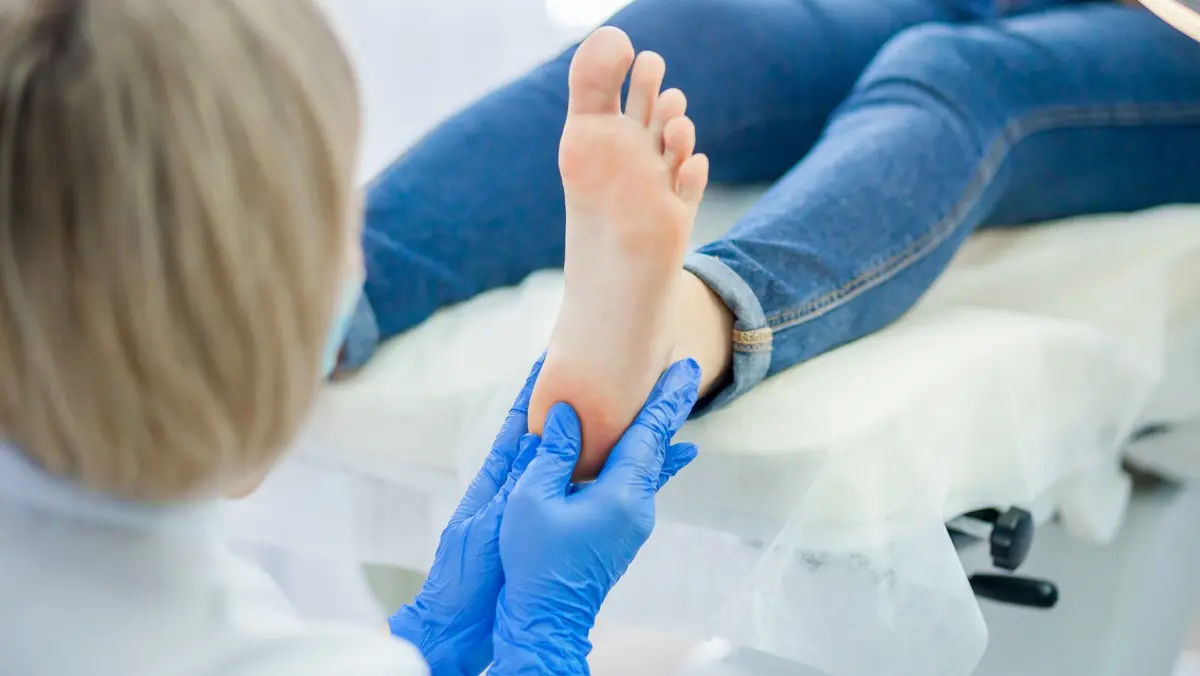
Our doctor will start with a careful physical check of both your feet. This includes looking at the skin condition, checking for any wounds or sores, testing your ability to feel sensations (like light touch, vibration, and temperature), and assessing the pulse in your feet and ankles to check blood flow.
Diagnostic Tests We Use
All these facilities are available right here at our hospital. Patients looking for Podiatric Treatment in Kallakurichi do not need to travel far for advanced diagnostic care — we have everything under one roof.
Our treatment approach is always personalised. We do not believe in a one-size-fits-all plan. Every patient is different, and the treatment we offer will depend on your specific condition, the severity of your foot problem, and your overall health.
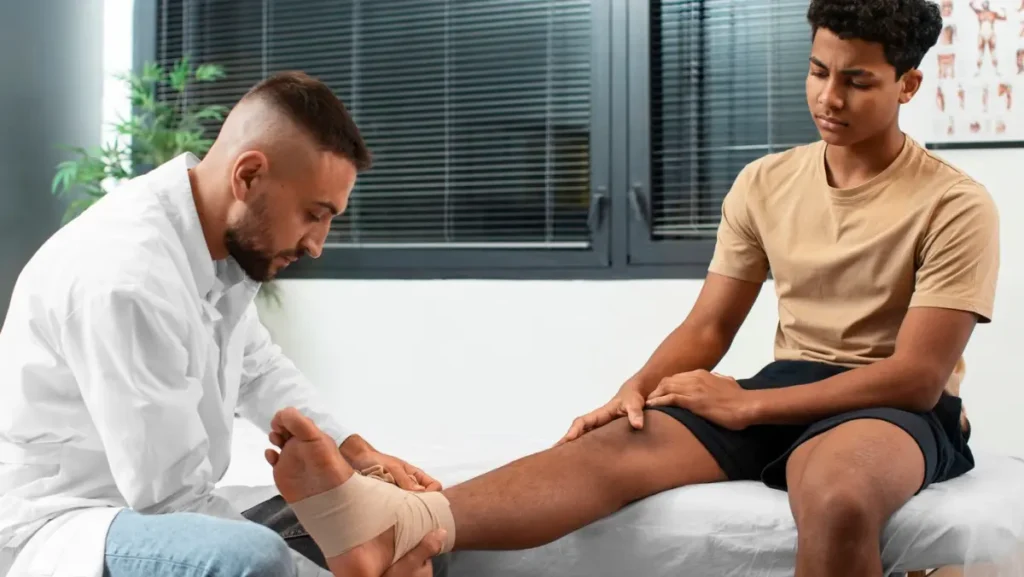
For open wounds or ulcers, our team provides careful wound cleaning, debridement (removal of dead or infected tissue), and regular dressing changes. We use medically approved dressing materials that support healing and protect the wound from further infection. Our wound care nurses and doctors work closely together to monitor your progress.
Infections in diabetic feet can spread quickly and become life-threatening if not treated properly. Our doctors prescribe the right antibiotics based on the wound culture results. In cases where the infection has spread to deeper tissues or bone, intravenous (IV) antibiotics or surgical cleaning may be required. We act quickly to bring infections under control.
One of the most important parts of healing a diabetic foot wound is taking pressure off the affected area. Our team will guide you on the right footwear, custom insoles, and if needed, special casts or walking boots to keep pressure away from the wound so it can heal properly.
When conservative treatment is not enough, surgery may be needed. This could include:
Our surgical team is experienced in handling complex diabetic foot cases. Patients seeking Podiatric / Diabetic Foot treatment in Ulundurpet who travel to our hospital in Kallakurichi have consistently received high-quality surgical and post-operative care.
Good foot healing is only possible when blood sugar levels are well controlled. Our diabetology team works alongside the podiatric unit to review and optimise your diabetes medications if needed. Controlling blood pressure and cholesterol is equally important, and we address these as part of your complete care plan.
After treatment, many patients benefit from physiotherapy to regain strength, balance, and confidence in walking. Our physiotherapists guide patients through gentle exercises that improve circulation, rebuild foot muscle strength, and reduce the chance of future injuries.
The good news is that most diabetic foot problems are completely preventable. With the right daily habits and regular check-ups, you can keep your feet healthy for years to come. Here is what we recommend to our patients:
Wearing the right footwear is one of the most important steps in preventing diabetic foot problems. Our team will advise you on:
Eating a balanced diet is key to managing blood sugar levels and supporting healing. Our nutrition counsellors help patients understand which foods are best for diabetes management, how to plan meals properly, and how to avoid sudden spikes in blood sugar that can slow wound healing.
Regular, gentle physical activity improves blood circulation in the feet and helps control blood sugar. Walking, swimming, or light stretching exercises are generally safe for most diabetic patients. However, it is important to check with your doctor before starting any new exercise programme, especially if you already have foot problems.
Smoking narrows the blood vessels and reduces circulation — this is very dangerous for diabetic patients, especially when it comes to foot health. If you smoke, quitting is one of the best things you can do to protect your feet. Our team can help connect you with the right support.
Even if your feet feel completely fine, regular check-ups at Mahalakshmi Multispeciality Hospital are very important. We recommend that every diabetic patient gets a thorough foot examination at least once a year — and more frequently if you already have nerve damage, circulation problems, or a history of foot ulcers. Our Podiatric Treatment in Kallakurichi is designed to catch problems early and keep you walking freely.
Diabetic foot problems can feel worrying, but with the right care and the right medical team, they are manageable — and in most cases, completely preventable. At Mahalakshmi Multispeciality Hospital, we believe that every patient deserves clear, honest, and compassionate care. Our team brings real experience and genuine dedication to every foot care consultation.
We are proud to be a trusted name for Podiatric / Diabetic Foot treatment in Kallakurichi and for patients coming from Ulundurpet and surrounding areas. Our modern facilities, experienced doctors, and caring support staff make us a place where you can feel confident about your foot health.
Treatment for diabetic foot includes cleaning the wound, using special dressings, and taking antibiotics for infection. In serious cases, surgery may be needed to remove dead tissue or save the foot. Doctors may also recommend special shoes to reduce pressure. Regular check-ups and managing blood sugar help healing. Early care can stop things from getting worse and lower the risk of amputation.
A diabetic foot exam checks your feet for cuts, blisters, infections, and nerve damage. A podiatrist will test your ability to feel touch and temperature using simple tools. They may check your blood flow and look at how your feet are shaped. This exam helps spot problems early before they become serious. Regular foot exams are key for staying safe if you have diabetes.
Proper foot care for diabetics means washing and drying your feet daily, checking for cuts or changes, and wearing well-fitted shoes. You should trim toenails straight across and avoid treating foot issues like corns yourself. Moisturize dry skin, but not between the toes. Avoid walking barefoot and get regular foot exams. These steps help prevent infections, ulcers, and more serious foot problems.
Our experienced anaesthesiologists are here to ensure your safety and comfort
Treatment for diabetic foot includes cleaning the wound, using special dressings, and taking antibiotics for infection. In serious cases, surgery may be needed to remove dead tissue or save the foot. Doctors may also recommend special shoes to reduce pressure. Regular check-ups and managing blood sugar help healing. Early care can stop things from getting worse and lower the risk of amputation.
A diabetic foot exam checks your feet for cuts, blisters, infections, and nerve damage. A podiatrist will test your ability to feel touch and temperature using simple tools. They may check your blood flow and look at how your feet are shaped. This exam helps spot problems early before they become serious. Regular foot exams are key for staying safe if you have diabetes.
Proper foot care for diabetics means washing and drying your feet daily, checking for cuts or changes, and wearing well-fitted shoes. You should trim toenails straight across and avoid treating foot issues like corns yourself. Moisturize dry skin, but not between the toes. Avoid walking barefoot and get regular foot exams. These steps help prevent infections, ulcers, and more serious foot problems.