Safety Rate
Safety Rate
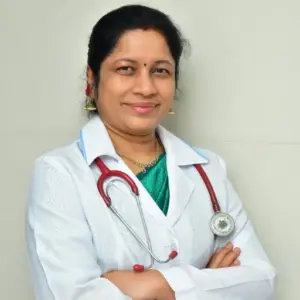
If you have been trying to have a baby without success, a fertility clinic in Kallakurichi that combines experienced doctors with modern IVF technology can make the journey easier. At Mahalakshmi Multispeciality Hospitals, our fertility team is led by Dr. J.Ezhilarasi, who works with couples from Kallakurichi, Ulundurpettai, and nearby towns to find the right treatment for their specific situation, whether that means simple ovulation support or a full IVF cycle.
We combine an experienced doctor, a modern lab, and honest communication, so every couple understands their options before starting treatment. This is what our patients tell us matters most when choosing where to begin their fertility journey.
Many couples search for the best fertility clinic in Ulundurpet because they want care close to home instead of traveling to a big city. Our hospital brings city-level IVF facilities to Kallakurichi, so patients from Ulundurpettai and surrounding villages do not have to spend hours on the road for check-ups, scans, or embryo transfers.
Dr. Ezhilarasi has spent years focused only on fertility care, handling everything from straightforward ovulation cases to complex IVF cycles involving male-factor infertility. As a practicing fertility doctor in Ulundurpet and Kallakurichi, she has treated women with PCOS, blocked tubes, and repeated miscarriages, and she believes every patient deserves a clear explanation of what is happening in their body before any treatment begins.
No two couples get the same protocol here. Dr. Ezhilarasi reviews each partner's test results, age, and medical history before recommending anything, because a 28-year-old with mild PCOS needs a very different plan than a 38-year-old with low ovarian reserve.
Our embryology lab uses controlled temperature and air quality systems to protect eggs and embryos at every stage, from fertilization to freezing. This kind of lab environment is one of the biggest factors in IVF success, since embryos are extremely sensitive to their surroundings in the first few days of development.
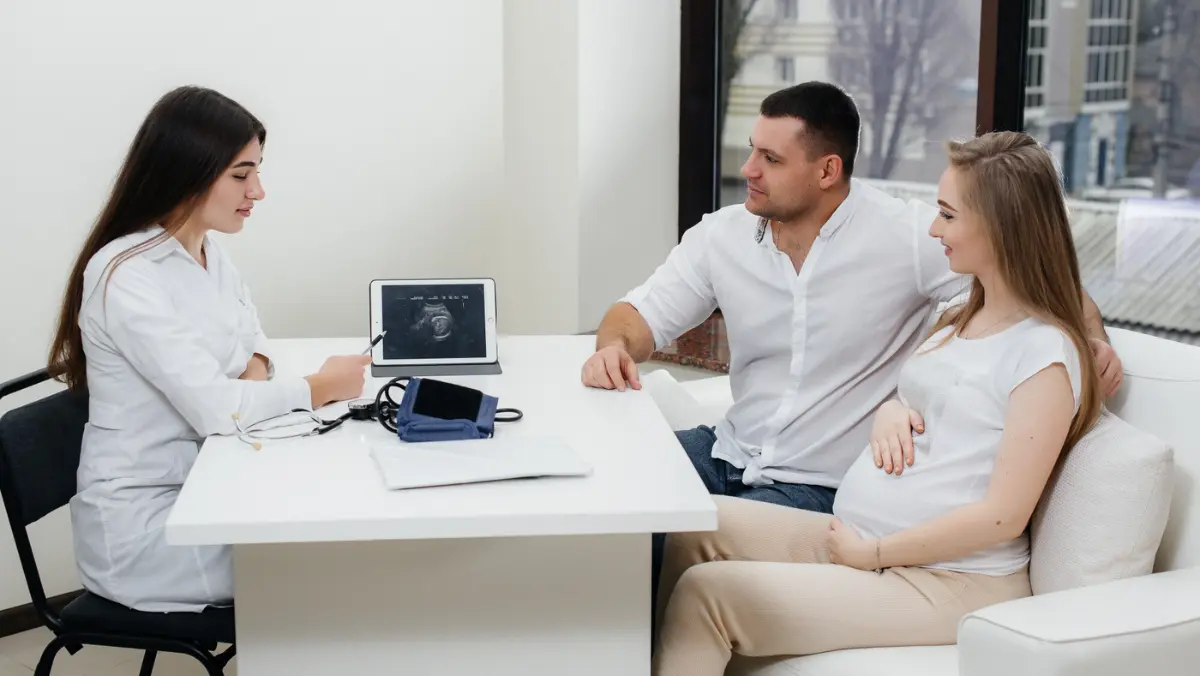
From the first consultation to the pregnancy test, patients are guided by the same care team, so they are never explaining their history from scratch to a new face each visit. We keep appointment slots realistic, so couples are not rushed through scans or counseling sessions.
IVF involves retrieving eggs, fertilizing them with sperm in the lab, and transferring the resulting embryo back into the uterus. We recommend IVF for blocked fallopian tubes, severe male-factor infertility, or when simpler treatments like IUI have not worked after a few attempts. Couples asking about IVF treatment in Ulundurpet often come to us after trying other approaches without success, and we walk them through realistic expectations before starting a cycle.
IUI places washed, concentrated sperm directly into the uterus around the time of ovulation. It is a good first step for mild male-factor infertility, unexplained infertility, or couples using donor sperm, and it costs less and involves less medication than IVF.
ICSI, or Intracytoplasmic Sperm Injection, involves injecting a single healthy sperm directly into an egg. We use this for men with very low sperm counts or poor sperm movement, since it removes the need for sperm to reach and penetrate the egg on their own.
For women who do not ovulate regularly, we use medication to encourage the ovaries to release eggs on a predictable schedule. This is often the first treatment we try for women with PCOS before moving to anything more involved.
Some patients freeze eggs or sperm before cancer treatment, surgery, or simply to preserve fertility for later years. We explain freezing success rates honestly, including how age at the time of freezing affects the number of usable eggs later.
When a patient's own eggs or a partner's sperm cannot be used, donor programs offer another path to pregnancy. We guide couples through the medical and legal steps involved, and counsel them on what to expect emotionally as well.
Extra embryos from an IVF cycle can be frozen and transferred in a later cycle, which means a couple does not need to repeat egg retrieval for a second attempt at pregnancy. Frozen embryo transfers also let us time the transfer to a month when the uterine lining is in ideal condition.
A semen analysis checks sperm count, movement, and shape, and it is often the fastest way to find out if male-factor infertility is part of the problem. We ask male partners to complete this test early, since it changes which treatment path makes sense.
Low sperm count can sometimes improve with medication, lifestyle changes, or treating an underlying hormonal issue. When numbers stay low despite treatment, we move toward ICSI, which needs only a small number of healthy sperm to succeed.
For men with no sperm in their semen due to a blockage, we can retrieve sperm directly from the testicle or epididymis through a minor surgical procedure. This retrieved sperm can then be used immediately or frozen for a future ICSI cycle.
Smoking, alcohol, excess weight, and certain hormonal imbalances can all lower sperm quality. We check hormone levels alongside semen analysis, since correcting a hormone imbalance sometimes improves fertility without any other treatment.
PCOS is one of the most common reasons women struggle to conceive, since it disrupts regular ovulation. We manage it with a combination of lifestyle changes, medication, and, when needed, ovulation induction to help release eggs on a predictable schedule.
Endometriosis can cause scarring that affects the ovaries, tubes, or uterus, making conception harder. Depending on severity, treatment ranges from medication and minor surgery to IVF, which can bypass much of the damage endometriosis causes.
Blocked tubes prevent the egg and sperm from meeting naturally. In some cases we can clear a blockage surgically, but when tubes are severely damaged, IVF is usually the more reliable path since it does not depend on the tubes at all.
Thyroid problems, prolactin imbalances, and other hormone issues can quietly affect ovulation and egg quality. A simple blood panel often uncovers these issues, and correcting them can sometimes restore natural fertility.
Doctors generally recommend an evaluation after one year of trying without success for women under 35, since most healthy couples conceive within that time.
Egg quality and quantity decline faster after 35, so we recommend seeking evaluation after just six months of trying, rather than waiting a full year.
Two or more miscarriages in a row is a signal worth investigating, since there are often treatable causes like hormonal imbalance, uterine structure issues, or clotting disorders.
If a semen analysis has ever shown low count or poor movement, or if a couple has been trying for over a year, the male partner should be evaluated alongside the female partner, not as an afterthought.
Cost is one of the first questions almost every couple asks, and we believe in answering it plainly rather than avoiding the topic until the first bill arrives. A well-run fertility clinic in Kallakurichi should be upfront about pricing from the very first consultation, so families can plan ahead financially.
Cost depends on the treatment type, medication dosage, number of cycles needed, and any additional procedures like ICSI or surgical sperm retrieval.
IVF costs more than IUI because it involves lab work, medication, and embryo culture, but we discuss exact figures during consultation since every patient's protocol differs.
IUI is significantly less expensive than IVF and is often tried first for couples with mild fertility issues.
We discuss payment plans and help patients understand which costs are one-time versus recurring across multiple cycles, if more than one attempt is needed.
Every couple wants to know their chances before committing time, money, and emotional energy to treatment. At our fertility clinic in Kallakurichi, we share realistic, individualized success estimates rather than generic averages, because a 27-year-old and a 40-year-old should never be given the same number.
Age, egg and sperm quality, underlying medical conditions, and lab conditions all affect the chance of success in any given cycle.
Success rates are generally highest for women under 35 and decline gradually after that, which is one reason we encourage earlier evaluation for older patients.
Finding and treating a fertility issue early often means simpler, less expensive treatment and a better overall chance of success.
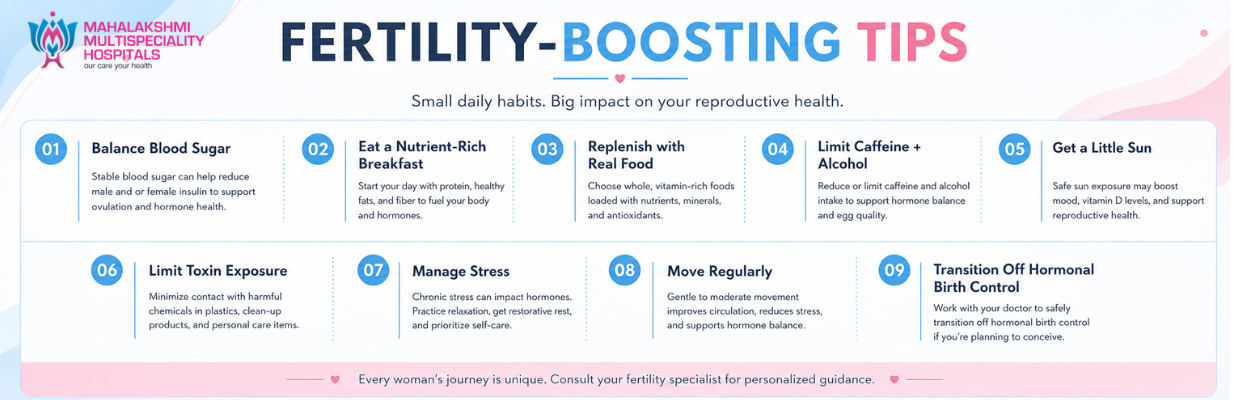
Choosing where to start fertility treatment is a big decision, and we hope this guide has made the options clearer. Whether you need a simple ovulation check or a full IVF cycle, our fertility clinic in Kallakurichi is built to give couples from Kallakurichi, Ulundurpettai, and nearby areas honest guidance and real medical expertise close to home.
Fertility Clinic such as IVF have brought hope and success to countless individuals and couples facing difficulties in conceiving. Through expert diagnosis, advanced technology, and personalized support, patients can overcome many barriers to starting or growing a family. At Mahalakshmi Multispeciality Hospitals, our dedicated team at the fertility clinic in Kallakurichi offers trusted care, ensuring safety, comfort, and confidence throughout the journey. Whether you are just beginning to explore your options or have experienced challenges in the past, our specialists are here to guide you toward the best possible outcome—because every family deserves a chance to grow.
A fertility clinic provides evaluations, tests, and treatments to help individuals or couples conceive. Services include hormone analysis, semen testing, ultrasound scans, and procedures like IUI or IVF. Doctors create personalized treatment plans based on medical history, test results, and reproductive goals.
A fertility clinic is a specialized medical center that focuses on diagnosing and treating issues related to male and female infertility. It offers expert guidance, diagnostic tests, and assisted reproductive techniques to support individuals and couples trying to achieve pregnancy.
The cost of IVF in Chennai typically ranges from ₹90,000 to ₹2,50,000 per cycle, depending on the clinic, medications, and additional procedures like ICSI or embryo freezing. Some packages may include consultations, tests, and lab charges. Costs can vary based on individual treatment plans.
A single IVF cycle, from the start of hormone injections to the embryo transfer, usually takes about four to six weeks, with a pregnancy test roughly two weeks after transfer.
No. IUI is a quick procedure similar to a Pap smear and usually causes only mild discomfort, if any.
If you are under 35, see a doctor after one year of trying to conceive without success. If you are 35 or older, we recommend coming in after six months.
Yes, in many cases. Medication, lifestyle changes, and treatments like IUI or ICSI can address male infertility without surgery, though surgical sperm retrieval is an option when needed.
Yes. We regularly see patients from Ulundurpettai and nearby areas, and our team can help plan appointment schedules around travel time.
Meet our experienced team of anaesthesiologists dedicated to your safety and comfort
A fertility clinic provides evaluations, tests, and treatments to help individuals or couples conceive. Services include hormone analysis, semen testing, ultrasound scans, and procedures like IUI or IVF. Doctors create personalized treatment plans based on medical history, test results, and reproductive goals.
A fertility clinic is a specialized medical center that focuses on diagnosing and treating issues related to male and female infertility. It offers expert guidance, diagnostic tests, and assisted reproductive techniques to support individuals and couples trying to achieve pregnancy.
The cost of IVF in Chennai typically ranges from ₹90,000 to ₹2,50,000 per cycle, depending on the clinic, medications, and additional procedures like ICSI or embryo freezing. Some packages may include consultations, tests, and lab charges. Costs can vary based on individual treatment plans.
A single IVF cycle, from the start of hormone injections to the embryo transfer, usually takes about four to six weeks, with a pregnancy test roughly two weeks after transfer.
No. IUI is a quick procedure similar to a Pap smear and usually causes only mild discomfort, if any.
If you are under 35, see a doctor after one year of trying to conceive without success. If you are 35 or older, we recommend coming in after six months.
Yes, in many cases. Medication, lifestyle changes, and treatments like IUI or ICSI can address male infertility without surgery, though surgical sperm retrieval is an option when needed.
Yes. We regularly see patients from Ulundurpettai and nearby areas, and our team can help plan appointment schedules around travel time.
Our experienced anaesthesiologists are here to ensure your safety and comfort