Women across Ulundurpettai and Kallakurichi often visit me with common gynecological problems such as irregular periods, PCOS, fibroids, vaginal infections, or menopause-related discomfort, and most of these conditions respond well when caught early. As Dr. J.Ezhilarasi at Mahalakshmi Multispeciality Hospitals, I want every woman to know that these issues are common, treatable, and nothing to feel embarrassed about.
What Are Common Gynecological Problems?
The most common gynecological problems are PCOS, irregular periods, fibroids, ovarian cysts, and vaginal infections.
How are ovarian cysts treated?
Good gynecological health means your reproductive organs are working the way they should, without pain, unusual bleeding, or discomfort that disrupts your daily life. Many women assume period pain or irregular cycles are just “normal,” but in my experience, persistent discomfort is almost always your body’s way of asking for attention.
Why Early Diagnosis and Treatment Matter
I have treated patients whose fibroids grew from the size of a lemon to the size of a mango simply because they waited two or three years before coming in. Early diagnosis usually means simpler treatment, shorter recovery, and a much lower chance of the condition affecting fertility later.
About the Author
Dr. J. Ezhilarasi
- Qualification: MBBS, DGO, LLB, MBA (Hospital Administration)
- Speciality: Obstetrics, Gynecology, Infertility, Laparoscopic Surgery, Cosmetic Gynecology
- Experience: 20+ Years
- Location: Mahalakshmi Multispeciality Hospital, Kallakurichi
Dr. J. Ezhilarasi is the Managing Director and Senior Consultant Gynecologist at Mahalakshmi Multispeciality Hospital, Kallakurichi. She completed her MBBS from Tanjore Medical College and her DGO from Madurai Medical College and Madras Medical College (IOG), with advanced certifications in Fetal USG, Laparoscopy, and IVF.
Most Common Gynecological Problems in Women
In my years of practice, a handful of conditions account for most of the most common gynecological diseases I diagnose, and understanding them helps women recognize when something needs a doctor’s attention rather than home remedies alone.
Irregular Menstrual Cycles
Cycles that are shorter than 21 days, longer than 35 days, or unpredictable from month to month are considered irregular. I usually check thyroid levels and hormone balance first, since these two factors explain the majority of cases I see in young women from Kallakurichi and surrounding villages.
Painful Periods (Dysmenorrhea)
Cramping is common, but pain that stops you from going to work or school is not something to simply endure. I often find that severe period pain points to an underlying condition like endometriosis or fibroids, so I always ask patients to describe the pain in detail before assuming it’s “just cramps.”
Polycystic Ovary Syndrome (PCOS)
PCOS affects roughly one in five women I see in the 18-30 age group, showing up as irregular periods, acne, weight gain, or excess facial hair. I manage most cases with a combination of lifestyle changes and medication, and I always explain to patients that PCOS is manageable long-term, not a life sentence.
Endometriosis
This happens when tissue similar to the uterine lining grows outside the uterus, often causing severe pain during periods or intercourse. Diagnosis can take time because symptoms overlap with other conditions, so I rely on ultrasound and, when needed, laparoscopy to confirm it before starting treatment.
Uterine Fibroids
Fibroids are non-cancerous growths in the uterus that can cause heavy bleeding, pelvic pressure, or back pain. Not every fibroid needs surgery; I monitor small ones with regular scans and only recommend procedures when they cause symptoms or grow significantly.
Ovarian Cysts
Most ovarian cysts are fluid-filled sacs that form during the menstrual cycle and disappear on their own within a few weeks. I ask patients to come back for a follow-up ultrasound after 6-8 weeks so we can confirm the cyst has resolved rather than assuming it has.
Vaginal Infections
Yeast infections and bacterial vaginosis are among the most common gynecological diseases I treat, usually causing itching, discharge, or odor. These clear up quickly with the right medication, but I always test first, because treating the wrong type of infection with the wrong medicine only prolongs discomfort.
Urinary Tract Infections (UTIs)
UTIs are not strictly gynecological, but they affect the same area and are extremely common in women, especially after intercourse or during pregnancy. A short course of antibiotics usually resolves a UTI within a few days, though I always ask patients to complete the full course to prevent it returning.
Pelvic Inflammatory Disease (PID)
PID is an infection of the reproductive organs that, left untreated, can affect fertility. I see this most often in women who delayed treatment for a vaginal infection, which is exactly why I encourage patients not to wait out symptoms that last more than a few days.
Cervical Dysplasia
This refers to abnormal cell changes on the cervix, usually caused by HPV, and is detected through a Pap smear. Most cases are mild and resolve on their own, but I recommend close monitoring and, in some cases, a minor procedure to remove abnormal cells before they progress.
Menopause-Related Issues
Hot flashes, mood changes, vaginal dryness, and irregular bleeding are common as women approach menopause, usually between ages 45 and 55. I work with patients to manage symptoms through lifestyle changes, and hormone therapy when appropriate, so this transition feels less overwhelming.
Common Symptoms of Gynecological Problems
Recognizing the symptoms of gynecological problems early is often the difference between a simple outpatient treatment and a more complicated procedure later. I encourage every patient to track her symptoms rather than dismiss them.
Abnormal Vaginal Bleeding
Bleeding between periods, after menopause, or unusually heavy bleeding during periods should never be ignored. In my clinic, this is one of the top three reasons women finally book an appointment, and it’s almost always worth investigating promptly.
Pelvic Pain or Pressure
Pain in the lower abdomen that lasts more than a few days, or a feeling of heaviness in the pelvis, can point to fibroids, cysts, or infection. I ask patients to note whether the pain is constant or comes and goes, as this helps narrow down the cause quickly.
Unusual Vaginal Discharge
A change in color, smell, or consistency of discharge is often the first sign of an infection. Clear or white discharge without odor is usually normal, but anything green, gray, or foul-smelling should be checked by a doctor within a few days.
Pain During Intercourse
This symptom is under-reported because many women feel uncomfortable bringing it up, but it’s one I take very seriously. Causes range from vaginal dryness to endometriosis, and in my experience, most patients feel relieved once they realize there’s a clear, treatable reason behind it.
Itching, Burning, or Irritation
Persistent itching or a burning sensation, especially during urination, usually signals an infection rather than simple irritation. I always recommend a proper examination rather than self-treating with over-the-counter creams, since the wrong treatment can mask the real problem.
What Causes Gynecological Problems?
Understanding what causes gynecological problems helps patients make sense of their diagnosis instead of just receiving a label. In my consultations, I always walk patients through the “why” behind their condition.
Hormonal Imbalances
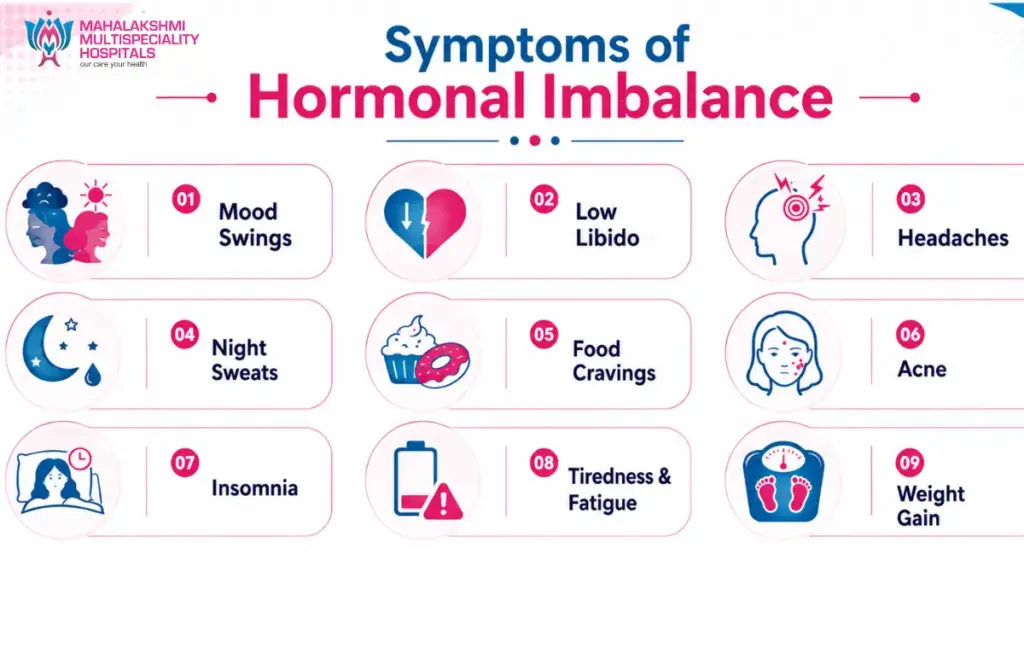
Estrogen and progesterone regulate the menstrual cycle, and even small imbalances can cause irregular periods, mood swings, or PCOS-like symptoms. I test hormone levels through simple blood work to identify exactly where the imbalance lies before recommending treatment.
Infections
Bacterial, viral, or fungal infections account for a large share of the cases I see, from yeast infections to HPV. Most are treatable with medication once properly identified, which is why I always test rather than guess.
Genetic Factors
Conditions like PCOS, endometriosis, and certain cancers can run in families. I always ask about a patient’s family history during the first consultation, since it changes how closely I monitor her over time.
Lifestyle and Environmental Factors
Diet, stress, sleep, and exposure to certain chemicals in everyday products can all influence hormonal balance and reproductive health. I often see improvement in mild cases simply from small changes to diet and daily routine, alongside medical treatment.
Age and Reproductive Changes
Reproductive health naturally shifts through puberty, pregnancy, and menopause, and each stage brings its own set of common concerns. I tailor my advice to a patient’s life stage, since what’s normal at 22 may be a warning sign at 48.
Risk Factors for Gynecological Disorders
Certain factors increase the likelihood of developing gynecological conditions, and knowing your personal risk helps guide how often you should be screened.
Obesity and Poor Diet
Excess weight affects hormone levels and is closely linked to PCOS, irregular periods, and certain cancers. I work with patients on realistic, sustainable diet changes rather than strict rules that are hard to maintain long-term.
Smoking and Alcohol Use
Smoking increases the risk of cervical cancer and can worsen hormonal imbalances, while heavy alcohol use disrupts liver function and hormone processing. I always discuss these habits openly with patients, without judgment, because honest conversations lead to better outcomes.
Family History
A mother or sister with fibroids, PCOS, or reproductive cancers raises a woman’s own risk. This is one of the first questions I ask, since it often changes my recommended screening schedule.
Unprotected Sexual Activity
Unprotected intercourse increases exposure to infections like HPV, chlamydia, and gonorrhea, which can lead to PID or cervical changes if untreated. I recommend regular screening for sexually active women, regardless of age or marital status.
Stress and Lack of Physical Activity
Chronic stress disrupts the hormones that regulate the menstrual cycle, and a sedentary lifestyle compounds the effect. Patients who add even 20-30 minutes of daily walking often notice improvement in cycle regularity within a few months.
How Gynecological Problems Are Diagnosed
Diagnosing common gynecological problems accurately usually takes a combination of a detailed history, a physical exam, and targeted tests, rather than relying on symptoms alone.
Medical History and Physical Examination
I start every consultation with a detailed conversation about cycle patterns, pain, discharge, and family history. This alone often points me toward the most likely diagnosis before any test is done.
Pelvic Examination
A pelvic exam allows me to check the uterus, ovaries, and cervix directly for any abnormalities in size, shape, or tenderness. It’s a quick, routine part of most gynecological visits and rarely causes more than mild discomfort.
Ultrasound Imaging
Ultrasound is one of my most-used tools for detecting fibroids, cysts, and abnormalities in the uterine lining. It’s painless, quick, and gives clear answers that guide the next steps in treatment.
Blood Tests
Blood tests help check hormone levels, thyroid function, and signs of infection or anemia from heavy bleeding. I use these results alongside the physical exam to build a complete picture of a patient’s health.
Pap Smear and HPV Testing
A Pap smear checks for abnormal cervical cells, while HPV testing checks for the virus most linked to cervical cancer. I recommend both tests every three years for most women starting at age 21, or as advised based on individual risk.
Biopsy or Laparoscopy
When imaging isn’t conclusive, a small tissue sample (biopsy) or a minimally invasive camera procedure (laparoscopy) can confirm conditions like endometriosis or abnormal cell changes. These are usually day-care procedures with a short recovery time.
Treatment Options for Gynecological Problems
Fortunately, gynecological diseases and treatment have advanced significantly, and most conditions can be managed without major surgery. I always start with the least invasive option that’s medically appropriate for the individual patient.
Medications
Antibiotics, antifungals, and hormonal medications resolve a large share of common gynecological problems, from infections to irregular cycles. Most patients see improvement within one or two treatment cycles when they follow the prescribed course correctly.
Hormone Therapy
Hormone therapy helps regulate cycles, manage PCOS symptoms, and ease menopause-related discomfort. I adjust dosages carefully based on each patient’s age, symptoms, and health history rather than using a one-size-fits-all approach.
Lifestyle Modifications
Diet, exercise, and stress management play a real role in managing PCOS, irregular cycles, and mild hormonal imbalances. I give patients a simple, specific plan rather than vague advice like “eat healthy,” since specifics are what actually get followed.
Minimally Invasive Procedures
Procedures like laparoscopy and hysteroscopy allow us to treat fibroids, cysts, and endometriosis with small incisions, less pain, and faster recovery than traditional surgery. Most patients return home within a day or two.
Surgical Treatments
For larger fibroids, certain cancers, or cases where other treatments haven’t worked, surgery may be necessary. I discuss every option, including fertility-preserving alternatives, in detail with patients before recommending this route.
Tips to Prevent Gynecological Problems
While not every condition can be prevented, several daily habits meaningfully lower the risk of developing common gynecological problems.
- Maintain good personal hygiene, including proper genital care and changing sanitary products regularly during periods
- Eat a balanced diet rich in fiber, iron, and healthy fats to support hormone balance
- Exercise regularly, aiming for at least 150 minutes of moderate activity a week
- Practice safe sex, including regular use of protection and routine STI screening
- Schedule routine gynecological checkups at least once a year, even without symptoms
Maintain Good Personal Hygiene
Proper hygiene reduces the risk of infections significantly, especially during menstruation and after intercourse. I recommend breathable cotton underwear and changing sanitary products every 4-6 hours during periods.
Eat a Balanced Diet
A diet with enough iron, fiber, and healthy fats supports hormone regulation and reduces symptoms of PCOS and irregular cycles. I often suggest small, specific swaps, like replacing refined sugar with fruit, rather than a full diet overhaul.
Exercise Regularly
Regular movement helps regulate hormones, manage weight, and reduce menstrual pain over time. Even a daily 30-minute walk makes a measurable difference in the patients I follow up with over several months.
Practice Safe Sex
Using protection and getting screened regularly for STIs lowers the risk of infections that can lead to PID or cervical changes. I recommend this regardless of relationship status, since screening is about health, not judgment.
Schedule Routine Gynecological Checkups
Annual checkups catch problems early, often before symptoms even appear. I’ve diagnosed fibroids and early cervical changes during routine visits for patients who came in with no complaints at all.
When Should You See a Gynecologist?
Many women wait far too long before booking an appointment, often out of hesitation or a busy schedule, but certain signs should never be delayed.
Warning Signs That Require Medical Attention
See a gynecologist promptly if you notice bleeding between periods, unusually heavy bleeding, pelvic pain lasting more than a few days, unusual discharge, or pain during intercourse. These symptoms are common gynecological problems that respond far better to early treatment than to a wait-and-see approach.
Routine Women’s Health Screenings
Beyond specific symptoms, every woman should have an annual gynecological checkup, along with Pap smears every three years from age 21 and additional screenings as advised based on age and risk factors. Routine visits are how most conditions get caught before they become serious.
Conclusion
Common gynecological problems are far more manageable than most women expect, especially when addressed early with the right medical support. At Mahalakshmi Multispeciality Hospitals in Kallakurichi, I encourage every woman in Ulundurpettai and the surrounding areas to treat her reproductive health with the same importance as any other part of her wellbeing, and to reach out the moment something feels off rather than waiting it out.