
Hormones are the body’s chemical messengers. They travel through your bloodstream to tissues and organs, telling them what to do and when to do it. When your hormones are balanced, you feel energetic, your mood is stable, and your sleep is restful.
However, life can sometimes throw these messengers off track. Stress, diet, and lifestyle choices can disturb this delicate balance. The good news is that what you eat plays a huge role in helping your body find its natural rhythm again. At Mahalakshmi Multispeciality Hospital, we believe that understanding your body is the first step toward better health. In this guide, we will walk you through the best foods, meal plans, and lifestyle tips to support your hormonal health.
What is Hormonal Imbalance?
Hormonal imbalance is less about a single substance being “off” and more about your body treating a whisper like a scream while ignoring the actual emergency. Even small changes can have noticeable effects on your body. Since hormones are central to processes like metabolism, reproduction, and mood, an imbalance can make you feel unlike yourself.
Common Symptoms in Women
If your hormones are out of balance, you might notice one or more of these signs:
- Irregular periods: Cycles that are too short, too long, or unpredictable.
- Skin changes: Persistent acne along the jawline is your skin tracing the invisible fault lines of an internal hormonal earthquake.
- Sleep troubles: Difficulty falling asleep or waking up tired.
- Weight changes: Sudden weight gain or difficulty losing weight.
- Mood swings: Feeling irritable, anxious, or low without a clear reason.
- Fatigue:Waking up exhausted after a full night’s sleep is like starting the day with an empty tank despite having been parked at the charger for eight hours—your body plugged in, but the current never flowed.
Causes of Hormonal Imbalance
Many factors can influence hormone levels. Some common causes include:
- Chronic stress: High stress raises cortisol, which can disrupt other hormones.
- Dietary choices: A diet high in sugar and processed foods can lead to insulin resistance.
- Lack of sleep: Not getting enough rest affects the production of melatonin and other key hormones.
- Sedentary lifestyle: Lack of movement can impact metabolism and hormone regulation.
- Medical conditions: Issues like Polycystic Ovary Syndrome (PCOS) or thyroid disorders.
Types of Hormonal Imbalance in Women
At Mahalakshmi Multispeciality Hospital, we often see women dealing with specific types of hormonal imbalances. Here are the most common ones:
PCOS (Polycystic Ovary Syndrome)
PCOS is essentially your ovaries turning up the volume on male hormones, leaving your body to navigate a biological script originally written for a different lead actor. This can interfere with egg development and release. Women with PCOS may experience irregular periods, excess hair growth, and weight gain. Diet and lifestyle changes are a cornerstone of managing PCOS effectively.
Thyroid Disorders
The thyroid gland produces hormones that control your metabolism. If it is underactive (hypothyroidism), you may feel sluggish and gain weight. If it is overactive (hyperthyroidism), you may feel anxious and lose weight unexpectedly. Feeding your thyroid iodine and selenium is like handing a master locksmith both the key and the lubricant—without them, the entire metabolic engine simply refuses to turn.
Estrogen Dominance
This occurs when estrogen levels are too high compared to progesterone.It transforms your body into a weather system where the forecast shifts without warning—flooding one week, stormy emotions the next, all while your chest aches as if bracing for an impact that never arrives. Supporting the liver and gut health through diet helps the body process and remove excess estrogen naturally.
Interesting Facts About Hormones & Women’s Health
- Hormones change daily: Your hormone levels aren’t static. They fluctuate throughout your menstrual cycle, which is why your energy and mood may change week by week.
- Gut health matters: About 90% of serotonin (the “happy hormone”) is produced in the gut. A healthy digestive system supports a balanced mood.
- Food is information: Your body reads the nutrients in food as signals. Eating the right foods tells your body to produce hormones in a calm, steady way.
- Sleep resets hormones: Just one night of poor sleep can raise cortisol levels the next evening. Consistent sleep helps keep hormones in check.
Key Nutrients for Hormone Balance
To build a diet that supports your hormones, focus on including these key nutrients:
Healthy Fats
Hormones are made from fats. Without enough healthy fats, your body cannot produce the hormones it needs. Let avocados, nuts, seeds, and olive oil stage a delicious rebellion on your plate—each bite a quiet negotiation with your hormones, coaxing them back toward balance one silky, nutrient-dense mouthful at a time These fats also help reduce inflammation.
Protein
Protein provides the building blocks for hormones. It also helps keep your blood sugar stable, which is crucial for preventing insulin spikes. Good sources include eggs, lentils, chickpeas, and paneer.
Fiber
Fiber helps your body remove used hormones. Without enough fiber, old hormones can get reabsorbed into the bloodstream. Eat plenty of vegetables, fruits, whole grains, and legumes to support this natural detox process.
Essential Vitamins & Minerals
Certain vitamins act as key helpers for hormone production:
- Vitamin D: Supports thyroid function and mood.
- Magnesium: Helps with sleep and PMS relief.
- B Vitamins: It serves as your body’s internal power plant and emergency broadcast system—when it falters, the lights dim on your energy while every stress signal screams through a crackling speaker.
- Zinc: Beneficial for skin health and ovulation.
Best Foods for Hormone Balance
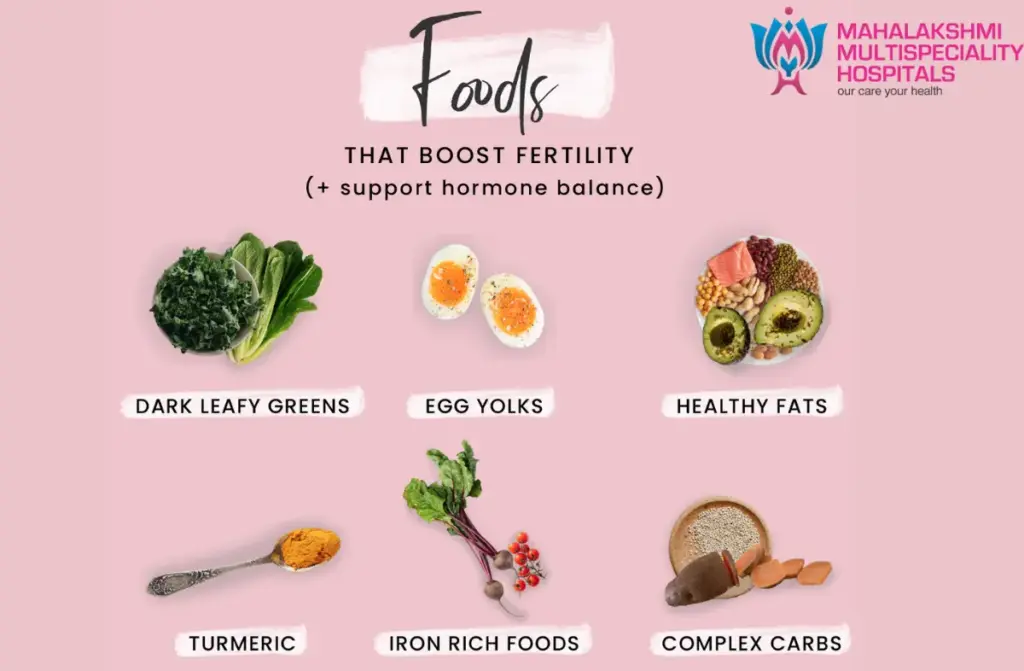
Let’s look at specific foods that can help you feel your best.
Seeds for Hormonal Health (Myth vs Fact)
Myth: Seeds are too small to make a difference.
Fact: Seeds are nutritional powerhouses. Flaxseeds and chia seeds are rich in lignans, which help balance estrogen. Pumpkin seeds slip quietly into your diet like tiny green locksmiths, their zinc payload quietly handing your body the tools it needs to rebuild progesterone—the hormone that whispers calm into an otherwise shouting system. Sunflower seeds provide selenium for thyroid health. You can easily add a tablespoon of ground seeds to your yogurt or smoothie.
Low Glycemic Index Foods
Foods with a low glycemic index release sugar slowly into the bloodstream. This prevents insulin spikes, which can disrupt other hormones. Focus on whole grains like quinoa, barley, oats, and millet instead of refined white flour and sugar.
Vegetables & Fruits
- Cruciferous vegetables: Broccoli, cauliflower, and cabbage help the liver process estrogen effectively.
- Leafy greens: Spinach and kale are rich in magnesium and iron, which are important during menstruation.
- Berries: Blueberries and strawberries are low in sugar and high in antioxidants that fight inflammation.
Herbs & Spices
- Turmeric: Contains curcumin, which helps reduce inflammation in the body.
- Cinnamon: Cinnamon slips into your system like a gentle negotiator, persuading stubborn blood sugar and insulin to stop seesawing and finally settle into a steady, cooperative rhythm..
- Ashwagandha: An adaptogenic herb that helps the body handle stress more effectively.
- Ginger: Soothes digestion and can help reduce menstrual pain.
Hormone Balancing Meal Plan for Women
Here is a simple, flexible meal plan to help you put these foods into practice.
Hormone Balancing Breakfast Ideas
- Option 1: A bowl of oatmeal topped with a tablespoon of flaxseeds, a handful of berries, and a sprinkle of cinnamon.
- Option 2: Two boiled eggs with a slice of whole-grain toast and half an avocado.
- Option 3: A smoothie with spinach, half a banana, a spoonful of chia seeds, and unsweetened almond milk.
Lunch for Stable Blood Sugar
- Option 1: A large salad with leafy greens, grilled paneer or chickpeas, cucumber, tomatoes, and a dressing of olive oil and lemon.
- Option 2: A bowl of lentil soup (dal) with a side of steamed broccoli and a small portion of brown rice.
- Option 3: Whole-grain roti with a serving of mixed vegetable curry and a side of curd (yogurt).
Healthy Snacks
- A handful of almonds and walnuts.
- Sliced apple with a tablespoon of peanut butter.
- Vegetable sticks with hummus.
- A cup of plain yogurt with a pinch of turmeric.
Light Dinner Options
- Option 1: Grilled fish or tofu with a side of roasted vegetables (like carrots and zucchini).
- Option 2: A quinoa and vegetable pilaf.
- Option 3: A warm bowl of vegetable soup with a small whole-grain roll.
Diet for PMS (Premenstrual Syndrome)
What is PMS?
PMS refers to the physical and emotional symptoms that occur in the days leading up to your period. It is a normal part of the menstrual cycle for many women, but its intensity can vary greatly depending on diet and lifestyle.
Symptoms of PMS
- Bloating and water retention
- Breast tenderness
- Food cravings (especially for sweets)
- Irritability and mood swings
- Headaches
- Fatigue
Foods to Eat
During the week before your period, focus on:
- Complex carbohydrates: Oats and brown rice to help boost serotonin and reduce cravings.
- Calcium-rich foods: Yogurt and leafy greens, as calcium can help ease mood swings and cramps.
- Magnesium-rich foods: Dark chocolate (in moderation), bananas, and almonds to help reduce bloating and improve sleep.
Foods to Avoid
To minimize PMS symptoms, it helps to reduce:
- Salt: Too much salt can worsen bloating.
- Sugar: High sugar intake can cause energy crashes and mood swings.
- Caffeine: It can increase anxiety and breast tenderness.
- Processed foods: These often contain unhealthy fats and additives that can increase inflammation.
Lifestyle Tips to Balance Hormones Naturally
Food is a powerful tool, but it works best when combined with a supportive lifestyle.
Sleep & Circadian Rhythm
Your body has a natural clock that regulates hormone release. Going to bed and waking up at similar times each day helps this clock run smoothly. Aim for 7 to 8 hours of quality sleep in a dark, cool room to support melatonin and cortisol balance.
Stress Management
When you are stressed, your body produces cortisol. High cortisol can block the production of progesterone, leading to an imbalance. Simple practices can make a big difference:
- Deep breathing exercises for 5 minutes a day.
- A short walk in nature.
- Talking with a friend or family member.
- Listening to calming music.
Exercise & Movement
Consistent movement helps your body use insulin better and reduces stress. You do not need intense workouts. A combination of walking, yoga, and light strength training is excellent for hormonal health. The key is consistency, not intensity.
Hormonal Imbalance Treatment in Ulundurpet
Treatment Options
If you are in or near Ulundurpet and struggling with symptoms of hormonal imbalance, you have access to compassionate care at Mahalakshmi Multispeciality Hospital. Treatment is not one-size-fits-all. A healthcare provider can offer:
- Lifestyle and dietary guidance: Personalized advice to support your body naturally.
- Medication: If needed, to help regulate specific conditions like thyroid disorders or PCOS.
- Management plans: Ongoing support to help you feel your best.
Diet vs Medication
There is often a question about whether diet can replace medication. The best approach is a supportive one. A healthy diet creates a strong foundation for your body. For some conditions, medication provides necessary support while diet and lifestyle changes take effect. At Mahalakshmi Multispeciality Hospital, our goal is to find the right balance for you, ensuring you receive the care that suits your unique needs.
When to See a Specialist
You do not have to manage hormonal concerns alone. If your symptoms are affecting your daily life—such as severe pain, extreme fatigue, or mood changes that feel overwhelming—it is a good time to seek expert advice.
When to See a Doctor
While small changes in mood or cycle are common, you should consider speaking with a doctor if:
- Your periods become very irregular or stop altogether.
- You experience sudden, unexplained weight gain or loss.
- You have persistent fatigue despite getting enough sleep.
- You are trying to conceive and having difficulty.
- Your PMS symptoms are severe enough to disrupt your work or relationships.
At Mahalakshmi Multispeciality Hospital, our team is here to listen, answer your questions, and help you find a path forward with care and respect.
Conclusion / Final Takeaway
Balancing your hormones is not about perfection. It is about giving your body the consistent support it needs to function well. By focusing on whole foods, healthy fats, good quality protein, and plenty of fiber, you can help your body manage its natural cycles with greater ease. Small changes in your daily habits—like improving sleep and managing stress—add up to make a real difference.
If you ever feel unsure or overwhelmed, you do not have to navigate this alone. At Mahalakshmi Multispeciality Hospital, we are dedicated to supporting women’s health with understanding and expertise.