Oncology

Oncology is the medical specialty focused on diagnosing, treating, and researching cancer in patients.
oncology treatment in kallakurichi

99.8%

Safety Rate

0 +
Years of Experience
0 +
Expert Doctors
0 %

Safety Rate

0 /7
Emergency Care

Oncology Services

Comprehensive Oncology care with advanced monitoring and safety protocols

Oncology is the branch of medicine dedicated to the study, diagnosis, and treatment of cancer. With the global burden of cancer increasing each year, oncology plays a crucial role in both extending life and enhancing the quality of living for affected individuals. This medical field encompasses a wide range of services, from early detection and screening to complex treatments like chemotherapy, immunotherapy, and surgical interventions. As medical technologies evolve, patients seeking expert care can access specialized oncology treatment in Kallakurichi, offering renewed hope and comprehensive, multidisciplinary management.

What is Oncology?

Oncology is the medical specialty focused on the prevention, diagnosis, and treatment of cancer. It includes medical oncology, radiation oncology, and surgical oncology, each supporting different parts of cancer care. Patients who need specialized surgical management can access surgical oncology in Kallakurichi for expert evaluation and treatment.

  • Medical oncology involves drug-based therapies like chemotherapy and targeted treatments.
  • Radiation oncology uses high-energy rays to destroy cancer cells.
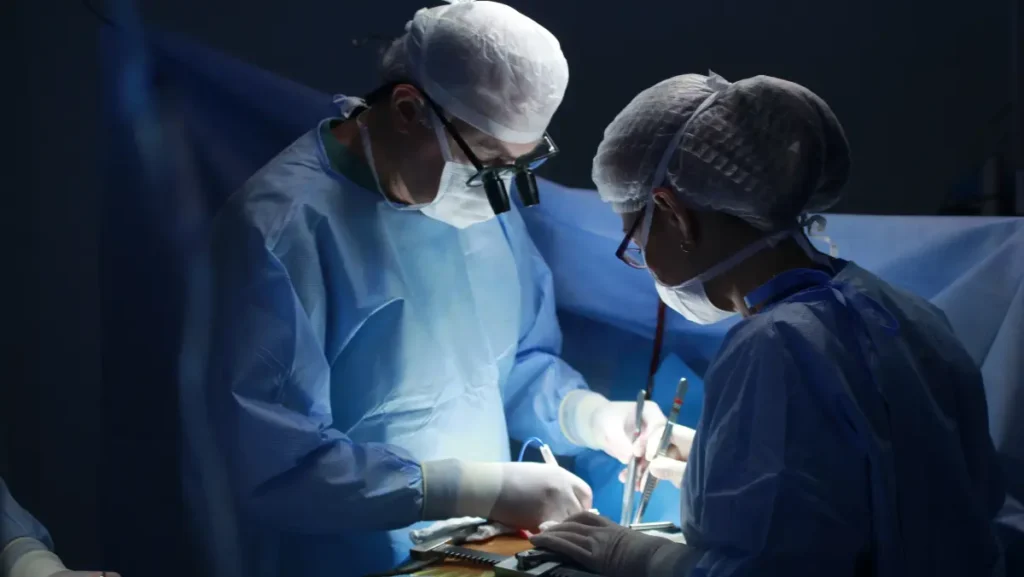
  • Surgical oncology focuses on physically removing tumors.

This field also includes palliative care, which ensures comfort and quality of life for those with advanced disease. Oncologists work collaboratively with specialists from radiology, pathology, and genetics to tailor personalized treatment strategies. As cancer is not a single disease but a spectrum, oncology is adaptive and precise, designed to address the unique challenges of each case while continuously improving outcomes through research and clinical innovation.

Causes

Cancer can be caused by a variety of factors, both environmental and genetic. While some people inherit genetic mutations that increase their risk, most cancers arise from a combination of lifestyle choices and external exposures.

  • Tobacco use is a leading preventable cause of cancer.
  • Prolonged exposure to ultraviolet radiation can trigger skin cancers.
  • Certain viruses like HPV and hepatitis B or C are linked to cervical and liver cancers.

In addition, factors such as obesity, alcohol consumption, and environmental pollutants can also contribute. Occupational exposures to chemicals or radiation, as well as a sedentary lifestyle, increase the risk further. Understanding the causes of cancer is essential not only for prevention but also for developing targeted therapies that address the underlying biological mechanisms. Oncologists continually study these triggers to create better preventive strategies and treatment protocols.

The Role of an Oncologist

An oncologist is a medical expert responsible for managing a patient’s cancer journey from diagnosis through treatment and recovery. They develop tailored treatment plans based on the cancer type, its stage, and the patient’s health status.

  • Assess pathology reports, imaging studies, and laboratory tests.
  • Recommend treatments such as chemotherapy, radiation, or surgery.
  • Monitor progress and adjust therapy based on response.

In addition to treating the disease, oncologists also guide patients through the emotional and physical toll of cancer. They often coordinate care among surgeons, radiologists, palliative care specialists, and counselors. Their role is both medical and supportive, ensuring that patients and their families understand every step of the journey. With expertise and compassion, oncologists provide continuity in care, often building long-term relationships with patients through survivorship or end-of-life planning.

Cancer Diagnosis

Accurate cancer diagnosis is the foundation of effective treatment. Oncologists rely on a combination of imaging, pathology, and molecular diagnostics to detect and characterize tumors.

  • Biopsies confirm the presence and type of cancer cells.
  • Imaging techniques like MRI, CT scans, and PET scans help determine the location and extent.
  • Blood tests and genetic screening assist in understanding the tumor’s behavior.

Timely diagnosis enables early intervention, significantly improving survival rates. Precision oncology uses molecular profiling to match patients with targeted therapies, especially useful in complex or rare cancers. Diagnostic advancements such as liquid biopsies are also gaining prominence, allowing for less invasive detection and real-time monitoring. By integrating clinical observations with laboratory data, oncologists can craft individualized strategies for oncology treatment in Kallakurichi that address the unique nature of each patient's condition.

Common Therapies

Cancer treatment is highly individualized, based on factors like cancer type, location, stage, and patient health. A combination of therapies is often used to achieve the best possible outcome.

  • Surgery removes tumors and affects tissues.
  • Chemotherapy uses drugs to kill or stop the growth of cancer cells.
  • Radiation therapy targets specific areas with high-energy rays.
  • Immunotherapy boosts the body’s natural defenses to fight cancer.
  • Targeted therapy attacks cancer cells without harming normal cells.

Each therapy comes with potential side effects, requiring close monitoring and supportive care. Oncologists may also recommend hormone therapy for cancers sensitive to hormonal changes. Advances in stem cell transplants and CAR T-cell therapy are transforming the way aggressive cancers are treated. A multidisciplinary approach ensures that treatment is comprehensive, focusing not only on survival but also on improving the patient’s overall quality of life during and after therapy.

Cancer Screening

Cancer screening plays a pivotal role in detecting cancer at an early stage, often before symptoms appear. Early detection dramatically increases the chance of successful treatment and survival.

  • Mammograms for breast cancer
  • Pap smears and HPV testing for cervical cancer
  • Colonoscopy for colorectal cancer
  • Low-dose CT scans for lung cancer in high-risk individuals

Screening tests are recommended based on age, gender, family history, and other risk factors. Oncologists evaluate these factors and advise appropriate screening intervals. Genetic testing is also increasingly used to identify individuals at high risk, enabling preventive measures and surveillance. Regular screenings help reduce the burden of advanced disease and promote early intervention. Educating patients about the importance of routine checks is vital in making screening a cornerstone of effective cancer control.

Conditions

Oncology addresses a broad spectrum of malignant conditions, each requiring a unique approach in management. While some cancers are more prevalent, others are rare and complex.

  • Breast cancer affects both women and, rarely, men.
  • Lung cancer is often linked to smoking and environmental exposure.
  • Prostate cancer is common among older men.
  • Leukemia and lymphomas impact the blood and lymphatic systems.
  • Skin cancers, such as melanoma, are tied to UV exposure.
  • Pancreatic, liver, ovarian, and brain cancers are among the more aggressive forms.

Each condition varies in symptoms, speed of progression, and treatment response. Some cancers grow slowly and respond well to timely treatment, while others require urgent care. Patients who need specialized surgical care can access surgical oncology in Kallakurichi for expert guidance and treatment.

Conclusion

Oncology is a rapidly advancing field that holds the key to transforming lives affected by cancer. By combining scientific innovation with compassionate care, oncology empowers individuals to fight their disease with confidence and support. From early detection to advanced therapies, every step in cancer care matters. Mahalakshmi Multispeciality Hospital is committed to delivering excellence in oncology treatment in Kallakurichi, providing expert diagnostics, personalized treatment plans, and continuous support throughout the patient journey. Choosing the right cancer care facility is the first step toward healing, and we are here to make that step meaningful and hopeful.

Frequently Asked Questions

Oncology refers to the branch of medicine that deals with the prevention, diagnosis, and treatment of cancer. It involves understanding the biology of tumors, managing treatment protocols, and supporting patients through their recovery or palliative care. The term is derived from the Greek word “onkos,” meaning mass or tumor, highlighting the central focus on abnormal cell growth and cancerous formations in the body.

An oncologist manages the entire course of cancer treatment, starting with diagnosis. They interpret lab and imaging results, develop treatment plans, administer or oversee therapies such as chemotherapy and immunotherapy, and monitor progress. Oncologists also offer emotional and clinical support, coordinate with other specialists, and ensure the best possible outcomes for patients dealing with various forms of cancer.

Oncology covers all types of cancer, including solid tumors like breast, lung, and colon cancers, as well as blood-related cancers like leukemia and lymphoma. It also includes rare forms such as sarcomas and pediatric cancers. Each condition within oncology requires a tailored approach based on its biology, stage, and patient profile, highlighting the scope and complexity of this field.

Not all oncologists are surgeons. Surgical oncologists focus on removing tumors and cancerous tissue through operative procedures. Other specialists, such as medical oncologists and radiation oncologists, manage cancer using medicines or targeted radiation therapy. These experts work together to create a complete care plan that may include surgery when needed. Patients seeking comprehensive care can access oncology treatment in Kallakurichi for informed guidance and coordinated management.

The best type of oncologist depends on the cancer being treated. For instance, a medical oncologist is ideal for chemotherapy or targeted therapies, while a surgical oncologist is essential when tumor removal is necessary. Radiation oncologists are crucial for precise treatment using radiation. Often, the most effective care comes from a multidisciplinary team combining all these specialties.

Our Specialists

Meet our experienced team of anaesthesiologists dedicated to your safety and comfort

Dental & Oral Surgery | Dental Hospital in Kallakurichi

Dental & Oral Surgery

oncology treatment in kallakurichi

Oncology

Vascular Surgery

Vascular Surgery

Pulmonology

Pulmonology

Related Blogs

Top ENT doctor in Ulundurpet providing specialized care for ear, nose, and throat issues with
Expert cardiologist in Ulundurpet offering advanced heart care, accurate diagnosis, and personalized treatment for all

A cardiologist is a doctor who focuses on your heart’s health. They help diagnose, treat,

Winter can be a beautiful season, but it can also increase stress on your heart.

Need Medical Assistance? Book an Appointment Now!

Our experienced anaesthesiologists are here to ensure your safety and comfort

Frequently Asked Questions

Common questions about Oncology and our services

Oncology refers to the branch of medicine that deals with the prevention, diagnosis, and treatment of cancer. It involves understanding the biology of tumors, managing treatment protocols, and supporting patients through their recovery or palliative care. The term is derived from the Greek word “onkos,” meaning mass or tumor, highlighting the central focus on abnormal cell growth and cancerous formations in the body.

An oncologist manages the entire course of cancer treatment, starting with diagnosis. They interpret lab and imaging results, develop treatment plans, administer or oversee therapies such as chemotherapy and immunotherapy, and monitor progress. Oncologists also offer emotional and clinical support, coordinate with other specialists, and ensure the best possible outcomes for patients dealing with various forms of cancer.

Oncology covers all types of cancer, including solid tumors like breast, lung, and colon cancers, as well as blood-related cancers like leukemia and lymphoma. It also includes rare forms such as sarcomas and pediatric cancers. Each condition within oncology requires a tailored approach based on its biology, stage, and patient profile, highlighting the scope and complexity of this field.

Not all oncologists are surgeons. Surgical oncologists focus on removing tumors and cancerous tissue through operative procedures. Other specialists, such as medical oncologists and radiation oncologists, manage cancer using medicines or targeted radiation therapy. These experts work together to create a complete care plan that may include surgery when needed. Patients seeking comprehensive care can access oncology treatment in Kallakurichi for informed guidance and coordinated management.

The best type of oncologist depends on the cancer being treated. For instance, a medical oncologist is ideal for chemotherapy or targeted therapies, while a surgical oncologist is essential when tumor removal is necessary. Radiation oncologists are crucial for precise treatment using radiation. Often, the most effective care comes from a multidisciplinary team combining all these specialties.

Book an Appointment